Winemaking is both an art and a science—a delicate balance of nature, intuition, and technique. At [Your Winery Name], every bottle tells a story of craftsmanship, careful decisions, and respect for the grape. Here’s a look behind the scenes at some of the techniques that transform harvested grapes into wine that delights the senses.
1. Hand-Harvesting vs. Mechanical Harvesting
The journey begins in the vineyard. Grapes can be harvested by hand or by machine, and each method has its own advantages.
- Hand-Harvesting: This traditional approach allows for careful selection of the ripest, healthiest grapes. It’s labor-intensive but ensures only the best fruit makes it to the winery, preserving delicate flavors and aromas.
- Mechanical Harvesting: Faster and more efficient, mechanical harvesters are ideal for large vineyards. Modern machines can even be adjusted to minimize damage to grapes, maintaining quality while saving time.
2. Crushing and Pressing
Once harvested, grapes undergo crushing and pressing to release their juice:
- White wines: grapes are often pressed gently before fermentation to separate juice from skins, minimizing tannins and bitterness.
- Red wines: grapes are typically crushed but fermented with their skins to extract color, flavor, and tannins, giving the wine its structure and complexity.
3. Fermentation: Where Magic Happens
Fermentation is the heart of winemaking—the moment when grape sugars are transformed into alcohol by yeast. Winemakers can choose between:
- Wild Fermentation: Using naturally occurring yeasts from the vineyard or winery, which can produce complex and unique flavors.
- Cultured Yeast Fermentation: Using selected strains for more predictable and controlled results.
Temperature control during fermentation is crucial: cooler temperatures preserve delicate aromas in whites, while warmer conditions help extract richness and body in reds.
4. Aging: Developing Depth and Character
After fermentation, wine often undergoes aging to develop depth and complexity. Different techniques influence the wine’s final character:
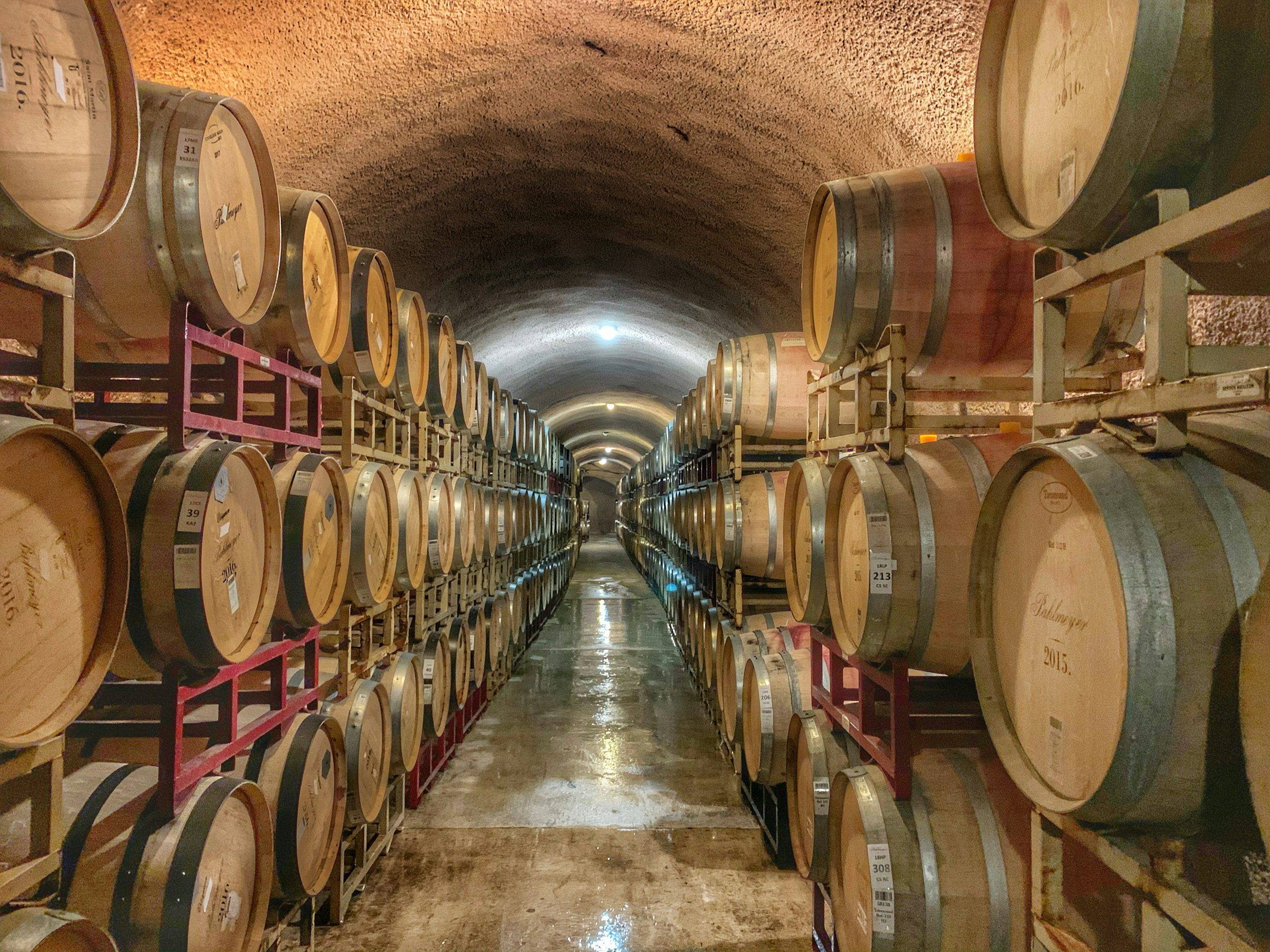
- Oak Barrels: Impart flavors like vanilla, spice, and toast, while allowing gentle oxygen exposure that softens tannins.
- Stainless Steel Tanks: Preserve freshness and fruit-forward flavors, ideal for crisp whites and aromatic wines.
- Concrete or Clay Vessels: Sometimes used for subtle minerality and natural temperature regulation, offering a unique texture and expression.
The duration of aging varies by style—from a few months for a bright, fresh white to several years for a bold, structured red.
5. Blending and Bottling
Blending is where the winemaker’s artistry truly shines. Different lots or varietals can be combined to achieve balance, complexity, and harmony. After careful blending, the wine is clarified, filtered, and bottled—ready to continue its journey in your glass.
6. Sustainable and Innovative Techniques
Many modern wineries, including [Your Winery Name], are adopting sustainable techniques: organic or biodynamic viticulture, energy-efficient fermentation methods, and minimal intervention in the cellar. These practices respect the environment while often enhancing the authenticity of the wine.